In today’s digital landscape, the desire to monitor or access another person’s WhatsApp account—whether belonging to a partner, family member, or friend—is a frequent topic of online searches. Users often look for ways to link devices, view chat histories, or track messages remotely.
However, understanding how cross-device functionality works, alongside the technical and privacy limitations imposed by modern messaging platforms, is essential. This article explores the official mechanisms available for multi-device access, the realities of third-party monitoring tools, and the critical security and ethical considerations involved.
Official Multi-Device Access: WhatsApp Linked Devices
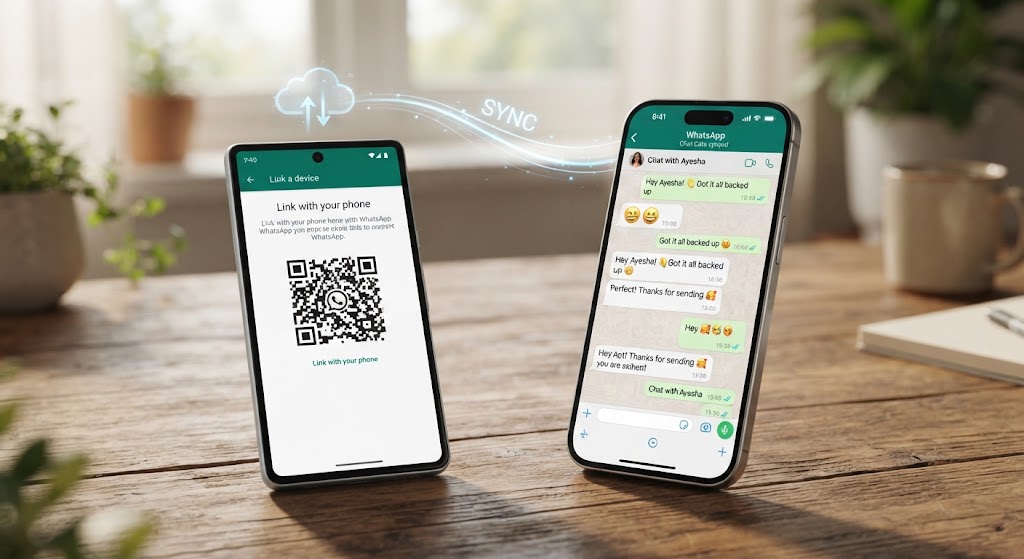
WhatsApp provides an official feature that allows users to access a single account across multiple devices simultaneously. This feature is designed for convenience, enabling account holders to use WhatsApp on desktop computers, tablets, or secondary phones without keeping their primary smartphone connected to the internet.
- Primary Mechanism: WhatsApp allows users to link up to four companion devices to one primary account.
- Authentication Process: Linking a device requires physical access to the primary smartphone to scan a unique QR code generated on the secondary screen.
- End-to-End Encryption: Even on linked devices, personal messages, media, and calls remain protected by end-to-end encryption.
- Synchronization: Messages are synced securely across devices, meaning actions taken on one device reflect on the others.
While this feature facilitates multi-device usage for the account holder, setting it up on a device not owned by the primary user requires temporary physical possession of their unlocked phone and authorization.
The Reality of Remote Access and Third-Party Apps
Numerous websites and applications claim to offer remote WhatsApp monitoring, mirroring, or spying services without needing physical access to the target device. Advertisers and developers often promote these tools with promises of complete invisibility and real-time tracking.
However, users must evaluate these claims against technical and security realities:
- Platform Security: Modern operating systems (iOS and Android) utilize strict sandbox environments and permission controls that restrict background app monitoring, keylogging, and unauthorized screen recording.
- Scams and Malware: A vast majority of third-party “WhatsApp tracking” or “spyware” applications available online are malicious. They often serve as vectors for adware, data theft, or phishing, compromising the security of the user installing them.
- Account Bans: Using unauthorized modified clients or automated web wrappers to interact with WhatsApp servers frequently violates Terms of Service, leading to permanent bans on the associated phone numbers.
Ethical and Legal Considerations
Accessing or attempting to monitor someone else’s private communications without their explicit, informed consent carries significant legal and ethical consequences.
- Privacy Laws: In many jurisdictions, unauthorized access to private electronic communications, accounts, or personal data constitutes a serious cybercrime under local electronic crimes acts and data privacy regulations.
- Trust and Relationships: Beyond legal ramifications, covert monitoring severely damages interpersonal trust, which forms the foundation of healthy relationships with partners, friends, and family members.
- Informed Consent: Legitimate digital safety measures—such as parental control apps for minors—rely on transparency, explicit configuration, and the consent of the device owner or legal guardian.
Conclusion
While WhatsApp offers robust, built-in features for multi-device synchronization, these tools are engineered for the account holder’s own convenience rather than covert surveillance. Relying on unofficial or deceptive third-party applications poses severe cybersecurity risks, exposes personal data to malware, and violates platform terms of service. Prioritizing open communication and digital privacy remains the safest and most reliable approach to managing personal technology.